
 There’s a reason this question keeps coming back. Every believer eventually wonders how faith and works fit together. Are they two separate paths? Do they depend on each other? Does Scripture point one way in Paul’s letters and another in James?
Here’s what matters: the Bible never treats faith and works as enemies. It treats them as parts of a living relationship with God distinct, but inseparable.
Let me walk you through it with clarity, simplicity, and the confidence of Scripture itself.
How the Bible Defines Faith and Works Together
If we strip away the noise, the Bible describes faith as trust. Not vague hope. Not passive belief. Real trust in God’s character, promises, and word.
Works, in Scripture, simply means the outward life that flows from that trust obedience, compassion, righteousness, and choices that reflect God’s heart.
Faith looks toward God.
Works move toward people.
Together, they show a transformed life.
You see this all over the Bible. Abraham believed God and then stepped out. Rahab believed God and then acted. The early church believed Christ was risen and lived in a way that proved it.
When trust is real, it moves.
When belief is alive, it bears fruit.
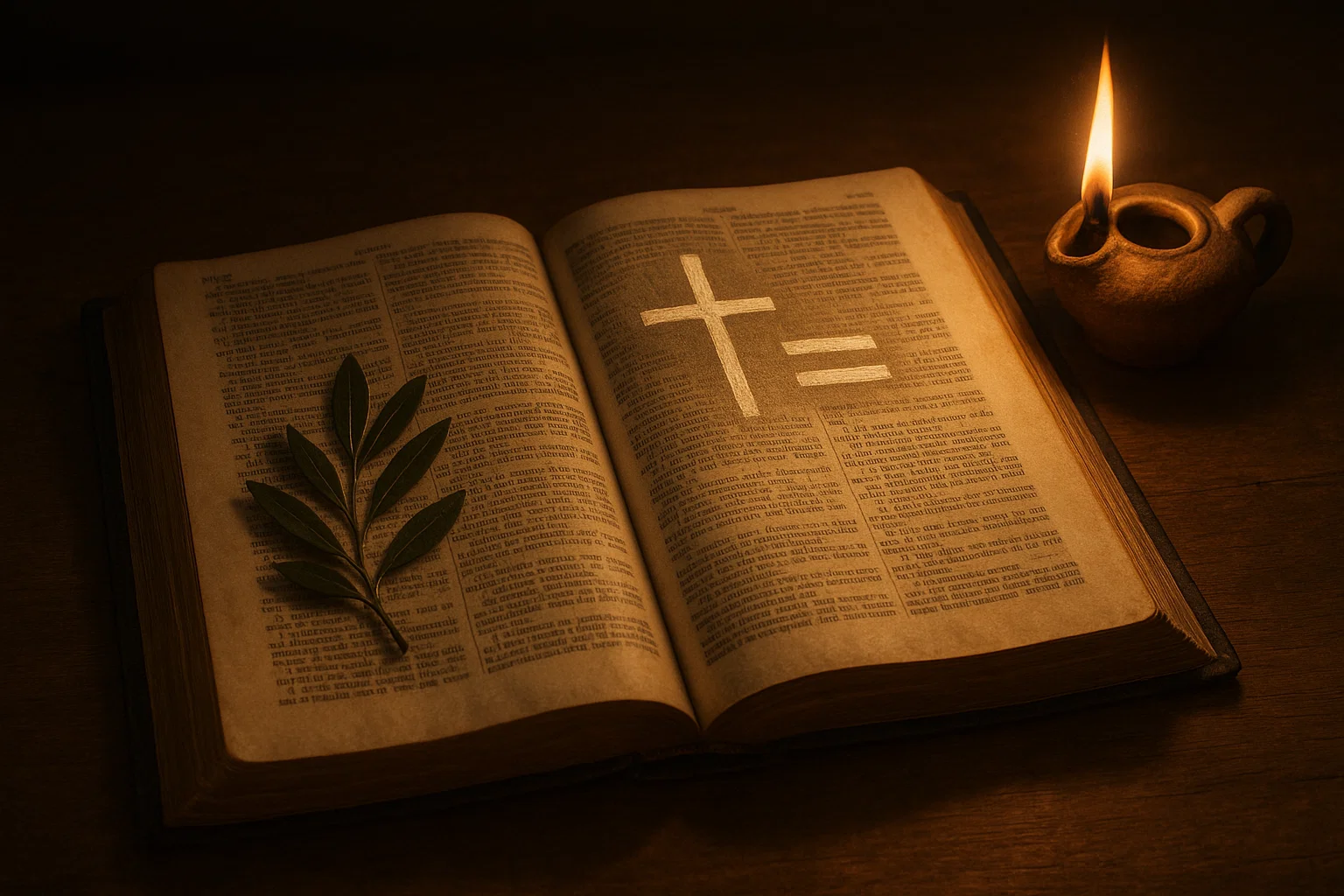
That’s the Biblical relationship: faith is the root; works are the fruit.
What the Bible Means by “Faith Without Works Is Dead”
James doesn’t mince words. In James 2:17, he says plainly: “faith by itself, if it does not have works, is dead.”
He’s not contradicting Paul. He’s not saying salvation comes from self-effort. He’s dealing with a different problem: people claiming belief with no evidence of change.
His point is simple:
A tree with no fruit is still a tree just not a living one.
James is after the same thing Jesus pointed out when He said, “You will know them by their fruits.” Real faith has a pulse. It breathes. It pushes outward. It does something.
Why James points to real-life actions
James chooses examples you can see:
- A person hungry
- A believer in need
- A brother or sister without basic care
He isn’t talking about theological tests. He’s talking about human moments. Places where faith is supposed to show up. His logic is straightforward:
If your faith can’t lift a hand to help, is it alive enough to shape your heart?
James isn’t building a doctrine of salvation by effort. He’s showing what living faith naturally produces mercy, sacrifice, obedience, and compassion.
What Paul Teaches About Faith, Works, and Grace
Now let’s bring Paul into the picture.
Paul’s focus is the foundation of salvation:
We are saved by grace through faith, not by works, so no one can boast. (Ephesians 2:8–9)
He’s dealing with a different danger people trying to earn their way into God’s approval. That never works. Human effort cannot purchase forgiveness or salvation. Grace stands at the center.
But keep reading. Paul doesn’t stop at verse 9.
Verse 10 completes the thought:
“We are His workmanship… created for good works.”
Paul agrees with James completely:
Saved by grace.
Transformed for works.
Grace is not the finish line. It’s the starting line. It wipes the past clean and sets a new direction.
Paul never imagines faith that stays still. In Romans, Galatians, and Titus, you see it again and again faith working through love, faith expressing itself in obedience, faith reshaping the entire life of a believer.
Faith that leads to a changed life
Paul isn’t describing a theoretical shift. He’s talking about a real transformation: the kind that changes desires, choices, priorities, and relationships.
When grace grips the heart, good works become the natural overflow.
Not a chore. Not a performance.
A response.
That’s why Paul and James sound different but never disagree.
Paul explains how salvation begins.
James explains what salvation produces.
Biblical Examples That Show Faith Working Through Actions
The Bible never isolates faith from the life it creates. Take a look:
Abraham trusted God enough to step into the unknown. His obedience revealed the depth of his belief.
Rahab believed the God of Israel was the true God, and her actions during the crisis proved it.
The early disciples believed Christ had risen, and their entire lifestyle shifted sharing, sacrificing, forgiving, preaching, and standing strong under pressure.
Scripture makes it clear:
Whenever faith is genuine, obedience follows.
Whenever trust is deep, action appears.
Whenever a heart believes God, the life begins to reflect Him.
How True Faith Shapes Christian Living Today
Here’s where faith and works hit everyday life.
True faith doesn’t hide inside your thoughts. It steps into:
- how you treat people
- how you handle pressure
- how you respond to temptation
- how you give, forgive, and stay faithful
- how you show compassion
- how you act when no one is watching
This isn’t about earning salvation. It’s about showing what salvation has already done inside you.
Grace changes motives.
Faith changes direction.
Works become the visible echo of God’s work in the heart.
The Bible’s message is not complicated:
Faith begins the journey.
Works reveal the journey’s reality.
What This Teaches Us About Walking With God
If you pull everything together, you get a simple, steady truth:
Faith and works aren’t rivals.
They are companions.
One reaches upward toward God.
The other reaches outward toward people.
God never invites us into a faith that stays silent or motionless. He invites us into a living trust one that listens, acts, loves, serves, and keeps moving toward the world with the heart of Christ.
When your faith is rooted in God’s grace, your works become the testimony of that grace. Every choice, every act of kindness, every step of obedience reflects the life He planted inside you.
That’s the relationship Scripture celebrates faith that saves, and works that shine.

Dr. Michael is a well-known author who shares why trusting the Bible matters. He speaks in a way that’s easy to follow, helping people see its truth clearly.