
The Modern Call to “Follow Your Heart”
You’ve probably heard this advice countless times: “Just follow your heart.”
It sounds comforting, hopeful, and empowering. In movies, songs, and conversations, this simple phrase is presented as the ultimate key to happiness as if your heart can never lead you wrong.
But what if the Bible says something entirely different?
In Scripture, the human heart isn’t simply a symbol of love or passion. It’s the center of our thoughts, emotions, and moral decisions. And while our feelings can sometimes guide us toward compassion and goodness, they can also lead us astray when separated from God’s truth.
Let’s explore what the Bible actually says about trusting your heart and how faith transforms the way we understand our deepest desires.
The Heart in Scripture More Than Emotions
When the Bible speaks of the “heart,” it’s not talking about the physical organ or mere emotions. The Hebrew word “leb” and the Greek word “kardia” both describe the inner person the seat of reason, will, and moral judgment.
In Proverbs 4:23, Solomon writes:
“Above all else, guard your heart, for everything you do flows from it.”
This isn’t just about protecting your feelings. It’s about guarding your entire inner life your values, thoughts, and decisions. The heart is the control center of who you are.
In Deuteronomy 6:5, Moses tells Israel:
“Love the Lord your God with all your heart and with all your soul and with all your strength.”
That means devotion to God starts in the heart but it’s not driven by unchecked emotion. It’s a conscious, chosen commitment to love God above every other desire.
Throughout Scripture, the heart represents both beauty and danger. It is capable of love and loyalty but also envy, deceit, and pride. It’s a place where decisions about faith, obedience, and rebellion are made.
So when people say “follow your heart,” the real question should be: What kind of heart are you following?
Why the Bible Warns Us Not to Trust the Heart Blindly
One of the clearest warnings comes from Jeremiah 17:9:
“The heart is deceitful above all things and beyond cure. Who can understand it?”
That’s a sobering truth. Jeremiah lived in a time when people followed their own desires while claiming to honor God. Their hearts led them into idolatry, injustice, and pride. The prophet exposed that what felt right to them was actually leading them away from truth.
The heart, in its natural state, is not neutral. It is shaped by sin and self-interest. It seeks comfort, pride, and control. It wants to justify its choices even when they’re wrong.
This is why Scripture repeatedly tells us not to rely on our inner compass alone. Feelings can change with the moment, but God’s truth remains steady.
In Proverbs 28:26, we’re told:
“Whoever trusts in his own heart is a fool, but whoever walks wisely will be delivered.”
The Bible isn’t trying to crush emotion or individuality it’s warning us that without the Spirit’s guidance, our emotions can deceive us. What seems “right” in a moment of passion or fear may contradict God’s will.
What Did Jesus Say About Trusting the Heart?
Jesus spoke often about the condition of the heart and His words were direct.
In Matthew 15:18–19, He said:
“But the things that come out of a person’s mouth come from the heart, and these defile them.
For out of the heart come evil thoughts murder, adultery, sexual immorality, theft, false testimony, slander.”
Jesus didn’t see sin as an external problem something we catch from the world. He saw it as an internal one something that begins in the heart and overflows into our actions.
That means our hearts can’t be the final authority on what’s good or right. Left unchecked, they can twist truth into self-justification.
When people say “trust your heart,” they often mean “trust your feelings.” But Jesus calls us to something higher to trust God’s Word, which shapes the heart toward righteousness.
The heart is like a garden. Without the constant care of Scripture, prayer, and humility, weeds of selfishness grow quickly. Jesus came not just to forgive our sins but to transform our hearts from within.
Thinking With the Heart God’s Way vs. Our Way
The world says, “Do what feels right.”
God says, “Do what is right, even when it doesn’t feel easy.”
The difference between the two comes down to trust not in ourselves, but in the Lord.
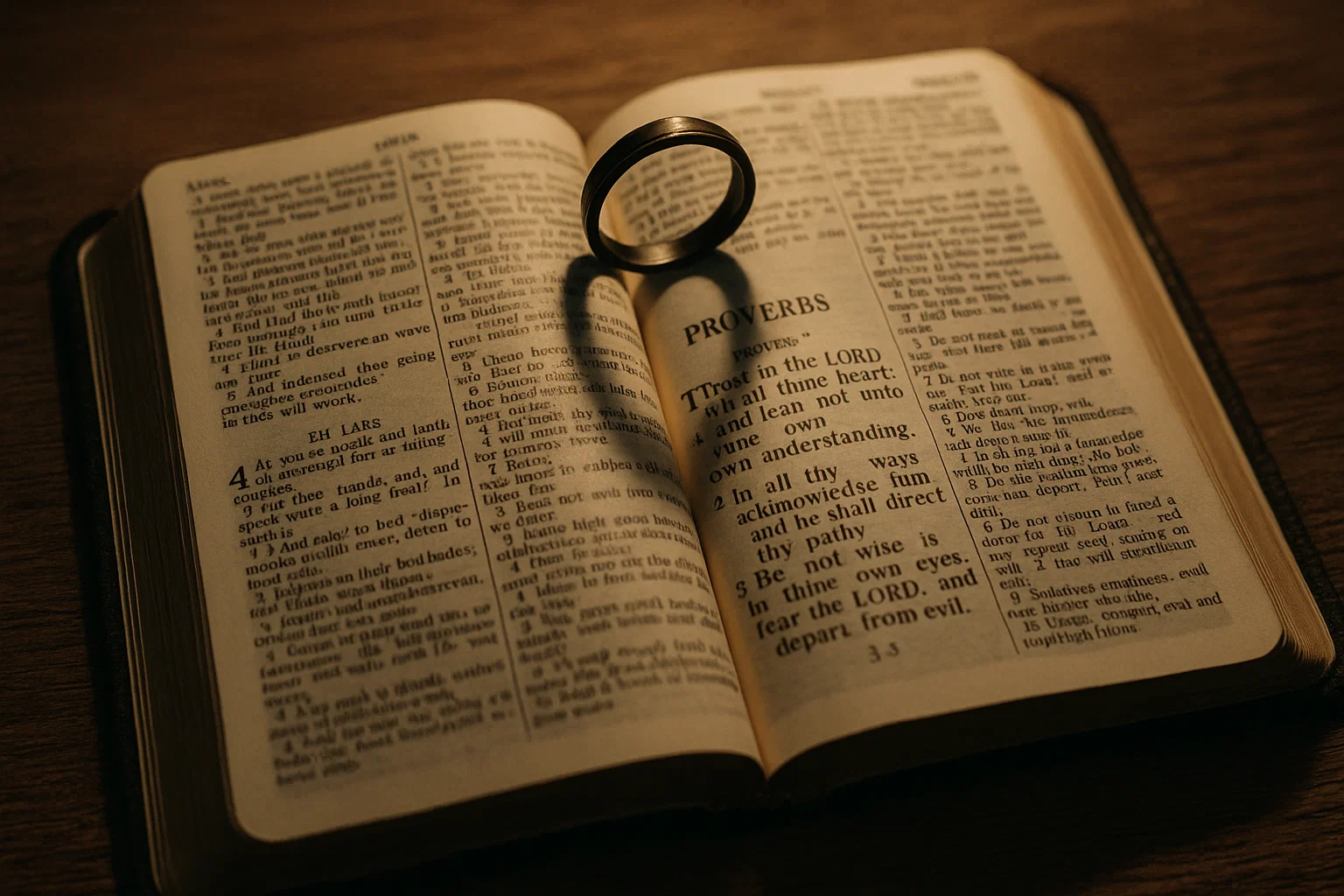
In Proverbs 3:5–6, one of the most loved passages of the Bible, we read:
“Trust in the Lord with all your heart
and lean not on your own understanding;
in all your ways submit to him,
and he will make your paths straight.”
Notice what it doesn’t say. It doesn’t say “trust your heart.” It says to trust God with your heart.
That’s the key distinction. God wants your heart, but not as your guide as your offering.
When we “lean on our own understanding,” we rely on human logic and emotion rather than divine wisdom. But when we surrender our heart to God, He directs us toward truth even when we don’t fully understand it.
There’s a huge difference between feeling right and being right with God.
A decision that feels emotionally good may still be spiritually dangerous. But when we seek God first, He aligns our desires with His purposes so that what once pulled us away now draws us closer.
Does the Bible Tell You Not to Follow Your Heart?
Many people wonder: Does the Bible actually say not to follow your heart?
While those exact words don’t appear as a single command, the message is woven throughout Scripture: Don’t let your feelings lead your faith. Let faith lead your feelings.
In the story of the Israelites, time and again, their hearts led them astray.
They longed for Egypt when they were free (Exodus 16:3). They wanted a king to be “like other nations” (1 Samuel 8:5). Their emotions clouded their obedience.
Following your heart without God is like sailing without a compass. It may feel adventurous at first, but sooner or later, you’ll drift into dangerous waters.
In Numbers 15:39, God commanded His people:
“You will have these tassels to look at and so you will remember all the commands of the Lord, that you may obey them and not prostitute yourselves by chasing after the lusts of your own hearts and eyes.”
That’s clear the heart, apart from God’s Word, can lure us toward sin.
Our generation often confuses sincerity with truth. But being sincere doesn’t make something right. You can sincerely believe your heart’s desire is pure and still be wrong if it conflicts with Scripture.
The Bible doesn’t tell us to suppress our heart. It tells us to surrender it.
A Renewed Heart Led by the Spirit
Here’s the hope: God doesn’t leave us with deceitful hearts. Through faith in Christ, He promises transformation a new heart shaped by His Spirit.
In Ezekiel 36:26–27, God says:
“I will give you a new heart and put a new spirit in you; I will remove from you your heart of stone and give you a heart of flesh.
And I will put my Spirit in you and move you to follow my decrees and be careful to keep my laws.”
That’s the heart we can trust a heart renewed by grace, guided by truth, and moved by the Holy Spirit.
When God changes your heart, you don’t lose emotion you gain purity. You don’t lose passion you gain purpose.
You begin to love what God loves and grieve what grieves Him.
You start to see people through His eyes instead of your own pride or fear.
A transformed heart doesn’t follow its own impulses; it follows God’s truth naturally, joyfully, and sincerely.
When Feelings and Faith Collide
It’s important to admit that faith doesn’t erase emotion. Even Jesus experienced deep feelings compassion, sorrow, anger, joy.
But Jesus’ emotions were always submitted to the Father’s will. In the Garden of Gethsemane, as He faced the cross, He prayed:
“Father, if you are willing, take this cup from me; yet not my will, but yours be done.”
(Luke 22:42)
That’s the perfect example of trusting God over your heart. Jesus’ human heart longed for relief, but His divine obedience chose surrender.
We face similar crossroads daily when our desires clash with God’s commands, when emotions run high, when choosing truth feels costly.
In those moments, faith isn’t about ignoring feelings; it’s about bringing them under God’s authority.
The Role of Discernment in Following Your Heart
The Apostle Paul encouraged believers to test every desire, idea, and emotion through the lens of truth.
In Romans 12:2, he writes:
“Do not conform to the pattern of this world, but be transformed by the renewing of your mind. Then you will be able to test and approve what God’s will is his good, pleasing and perfect will.”
Notice how discernment comes after renewal. Only a heart aligned with God’s truth can accurately test right from wrong.
That’s why prayer, Scripture study, and community matter so much. They anchor us when emotions rise and clarity fades.
Think of discernment as spiritual vision. The more light you let in from God’s Word, the clearer you see your path.
Without it, feelings become fog and fog, no matter how soft, can still hide cliffs.
How God Uses Emotion for Good
Emotion isn’t the enemy. God created feelings for connection and compassion.
Jesus wept (John 11:35). David danced (2 Samuel 6:14). The Psalms are filled with cries of joy, fear, and repentance.
Emotion becomes dangerous only when it rules instead of serves.
When love is rooted in truth, it becomes strength.
When anger is guided by justice, it becomes courage.
When sorrow leads to repentance, it becomes healing.
The goal isn’t a cold, emotionless faith it’s a Spirit-led heart that feels deeply yet obeys faithfully.
Practical Ways to Guard and Guide Your Heart
If we’re not called to trust our hearts blindly, how should we handle them wisely?
Here are some biblical steps:
1. Test Your Feelings with Scripture
Before acting on strong emotions, measure them against God’s Word.
Ask: Does this align with what the Bible teaches?
God’s truth will never contradict His character.
2. Pray for Clarity, Not Just Comfort
Sometimes we pray for peace when we really want permission.
Ask God to reveal the truth even if it challenges your desires.
3. Invite Wise Counsel
Proverbs 11:14 says, “In the multitude of counselors there is safety.”
When emotions blur your vision, seek guidance from mature believers.
4. Stay Rooted in God’s Word
Daily Scripture shapes your heart before emotion can.
Regular time with God resets your inner compass toward truth.
5. Let the Holy Spirit Convict and Correct
Conviction isn’t condemnation. It’s God’s gentle reminder that you’re His child and He wants to lead you right.
These practices don’t silence the heart they sanctify it.
What This Teaches Us About True Trust
Trust, in the biblical sense, is never about self-confidence. It’s about God-confidence.
To “trust your heart” is to rely on yourself.
To “trust God with your heart” is to surrender yourself.
When we let the Lord shape our desires, the heart becomes a beautiful vessel of His love and wisdom.
That’s when the heart can finally be trusted not because it’s perfect, but because it’s been purified.
Psalm 37:4 says:
“Delight yourself in the Lord, and He will give you the desires of your heart.”
That doesn’t mean He gives us everything we want. It means He changes what we want.
He teaches us to desire what pleases Him. And in that alignment, joy and peace flow freely.
A Reflection for Every Believer
When you feel torn between your emotions and God’s Word, remember:
Your heart is a powerful servant, but a poor master.
The same heart that feels love can also feel pride.
The same heart that seeks truth can also crave comfort.
That’s why God doesn’t just fix hearts He transforms them.
Let your heart feel, but let God lead.
Because the safest place for your heart isn’t in your own hands
it’s in His.

Dr. Michael is a well-known author who shares why trusting the Bible matters. He speaks in a way that’s easy to follow, helping people see its truth clearly.