 People often ask this question because the Bible and the Quran are two of the most influential religious books in human history. Both are deeply respected by billions of people around the world. Yet when we look at history, language, and ancient manuscripts, the answer becomes fairly clear.
The Bible is older than the Quran.
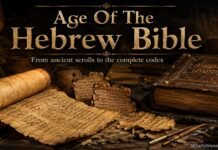
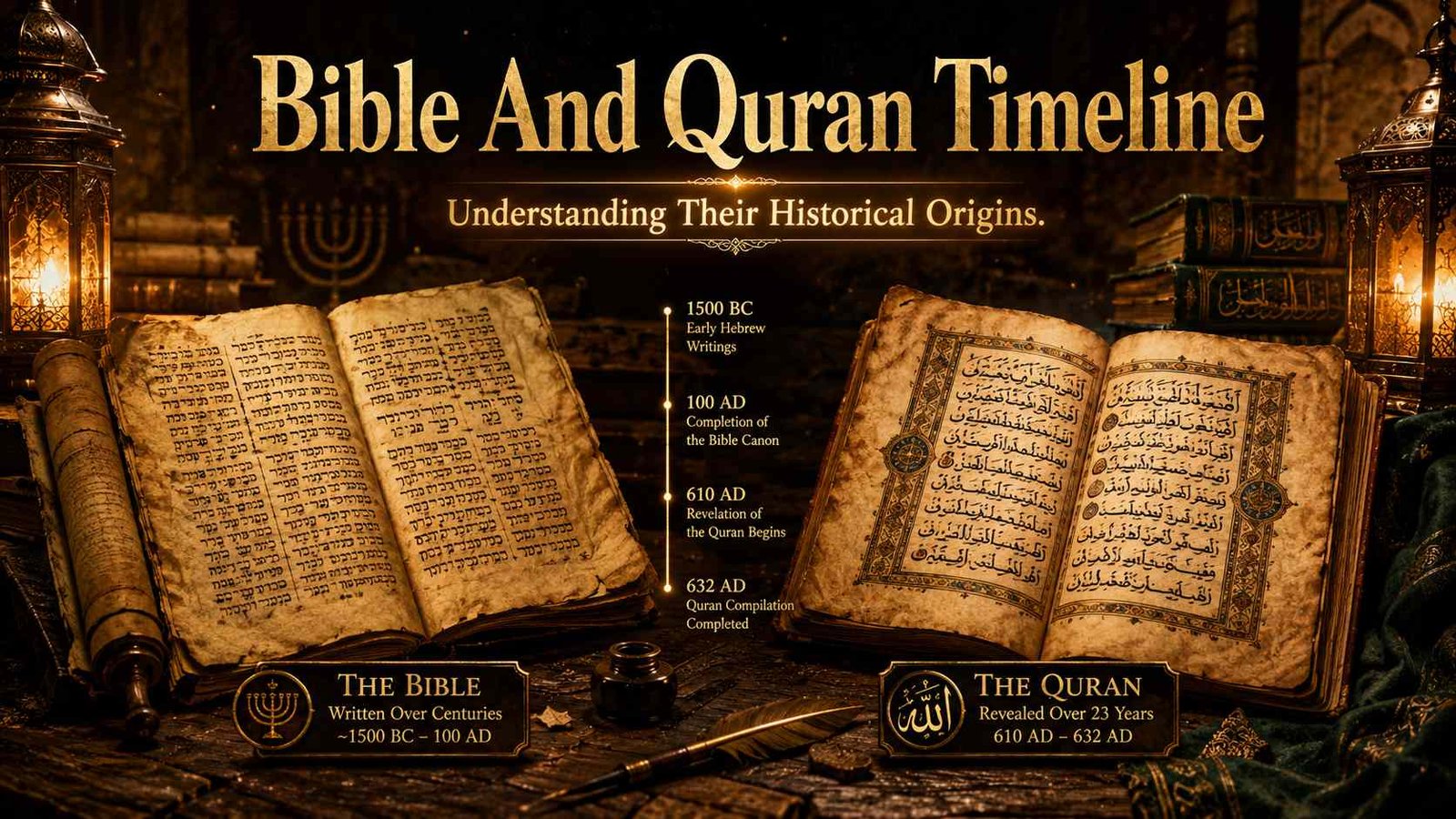
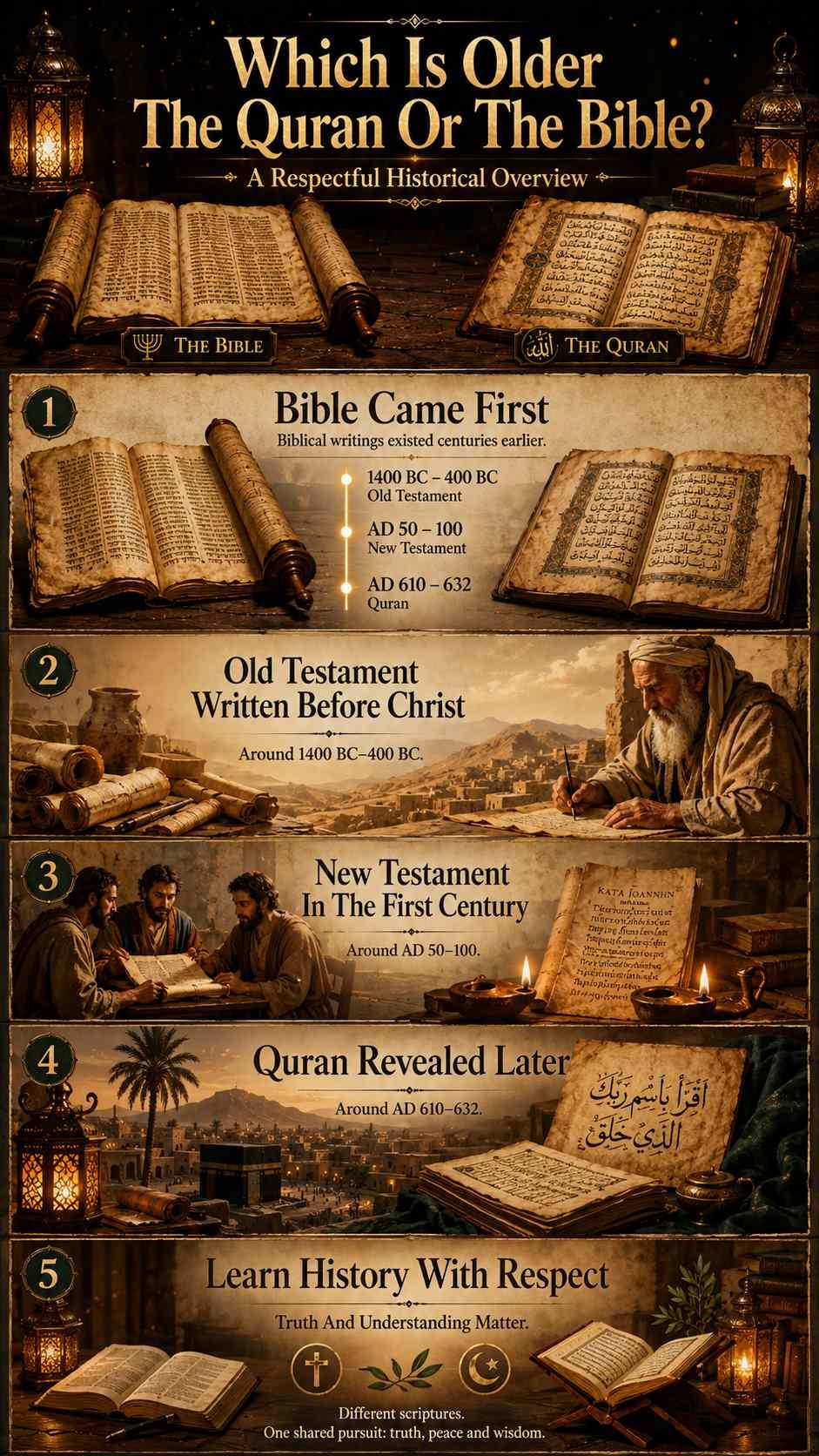
The earliest parts of the Bible were written many centuries before the Quran was revealed. The Old Testament contains writings that date back more than 1,000 years before the birth of Jesus. The New Testament was written during the first century AD. The Quran, according to Islamic tradition, was revealed to the Prophet Muhammad between AD 610 and AD 632.
That timeline matters historically. But it also opens deeper questions. How were these sacred texts written? Who preserved them? What do they say about God, prophets, and Jesus? And why do people continue reading them today for wisdom, hope, and peace?
For many readers, this topic is not about argument or conflict. It is about understanding history honestly while treating faith with respect.
Who Comes First, The Quran Or The Bible?
The Bible comes first in recorded history.
The Old Testament was written over many centuries by different authors. Some scholars believe the earliest sections may have been written around 1400 BC or even earlier through oral tradition before being recorded in written form.
The New Testament was written after the life, death, and resurrection of Jesus Christ during the first century AD, roughly between AD 50 and AD 100.
The Quran came later. Muslims believe it was revealed by God to Prophet Muhammad through the angel Gabriel over a period of about 23 years in the 7th century AD.
Here is a simple historical comparison:
| Sacred Text | Approximate Time Written | Main Languages |
|---|---|---|
| Old Testament | 1400 BC to 400 BC | Hebrew, Aramaic |
| New Testament | AD 50 to AD 100 | Greek |
| Quran | AD 610 to AD 632 | Arabic |
This means the earliest biblical writings existed many hundreds of years before the Quran appeared.
That does not mean one faith should mock another. History simply helps us understand the timeline of these sacred writings more clearly.
Many people exploring this topic also ask questions like when was the Bible created and who wrote the Bible. Those questions matter because they help us see how Scripture developed across generations.
How Old Is The Bible Compared To The Quran?
The Bible is not one single book written at one time. It is a collection of many books written over centuries.
The Old Testament contains historical records, poetry, prophecy, laws, and wisdom literature connected to ancient Israel. Books like Genesis, Psalms, Isaiah, and Daniel were already known long before the rise of Islam.
By the time the Quran was revealed in the 7th century, Jewish communities had already preserved the Hebrew Scriptures for centuries. Christians had also been reading the New Testament throughout the Roman world for hundreds of years.
Ancient Bible manuscripts support this timeline.
For example:
- The Dead Sea Scrolls contain Old Testament texts dating from around 200 BC to AD 70.
- Early Greek New Testament manuscripts appeared within decades of the apostles.
- Christian churches across Africa, Europe, and Asia were already using biblical writings before Islam began.
The Quran also has an important preservation history. Muslims carefully memorized and recited it orally. Later, written collections were organized after Muhammad’s death under early Islamic leadership.
When comparing ages historically, the Bible clearly predates the Quran by many centuries.
This is why topics like what language was the Bible originally written in and how was the Bible put together are important for understanding the larger historical picture.
Does The Bible Or Quran Older? Why The Answer Matters
Many people search online using phrases like “Does the Bible or Quran older?” even though the grammar is imperfect. Usually, they simply want a clear answer without hostility or confusion.
The historical answer remains the same: the Bible is older.
But there is something important to remember here.
The age of a religious text does not automatically settle every spiritual question people may have. Faith is personal. People believe for many different reasons including family tradition, spiritual experiences, study, prayer, and conviction.
History can explain when books were written. It cannot force belief into someone’s heart.
Still, understanding the timeline helps remove myths and confusion.
Sometimes online discussions become harsh or disrespectful. That usually leads nowhere good. A wiser approach is to study carefully, speak honestly, and treat others with dignity even when beliefs differ.
The Bible itself encourages truthfulness and wisdom:
“The fear of the Lord is the beginning of wisdom.” — Proverbs 9:10
Learning history should never make us proud or cruel. It should make us thoughtful.
What Did Jesus Say In The Quran?
One reason this topic interests many people is because both the Bible and the Quran speak about Jesus.
In the Quran, Jesus is called Isa. He is honored as a prophet, messenger, and Messiah. Muslims deeply respect him and believe he was born miraculously through the Virgin Mary.
The Quran also describes Jesus performing miracles by God’s permission.
Christians, however, believe something more.
The Bible presents Jesus not only as a prophet but as the Son of God and Savior of the world. The New Testament teaches that Jesus died on the cross and rose again for humanity’s salvation.
Here is a simple comparison:
| Jesus In The Bible | Jesus In The Quran |
|---|---|
| Son of God | Prophet and Messiah |
| Crucified and resurrected | Crucifixion understood differently |
| Savior of humanity | Messenger of God |
| Worshiped by Christians | Honored but not worshiped |
This difference is one of the largest distinctions between Christianity and Islam.
The Gospel of John says:
“I am the way and the truth and the life.” — John 14:6
Meanwhile, the Quran speaks respectfully of Jesus while emphasizing the oneness of God.
Understanding these differences helps readers approach both texts with honesty rather than confusion.
People exploring this subject often continue reading topics like what is the gospel in the Bible and what does the Bible say about Islam to better understand these connections.
How The Bible Was Written Over Centuries
The Bible’s history is remarkable because it was written across many generations.
Around 40 different authors contributed to its books over roughly 1,500 years. These writers included:
- Prophets
- Kings
- Shepherds
- Priests
- Fishermen
- Doctors
- Government officials
Despite being written across different centuries and places, the Bible carries one central story about God’s relationship with humanity.
The Old Testament was mainly written in Hebrew, with small sections in Aramaic. The New Testament was written in Greek because Greek was widely spoken during the Roman era.
The Bible was copied carefully by scribes for centuries. Before printing presses existed, every manuscript had to be written by hand. That required incredible patience and dedication.
Later, church leaders recognized which books were considered inspired Scripture. This process helped form what Christians now call the biblical canon.
That is why people often ask:
- What was the first Bible?
- How was the Bible put together?
- What language was the Bible originally written in?
These questions reveal how deeply connected history and faith can be.
How The Quran Was Revealed And Preserved
Muslims believe the Quran was revealed directly from God to Prophet Muhammad through the angel Gabriel.
Unlike the Bible, which contains many books from many authors, the Quran is viewed in Islam as one unified revelation delivered over about 23 years.
Muhammad recited the revelations aloud, and his followers memorized them carefully. Oral memorization became one of the strongest preservation methods in Islamic history.
After Muhammad’s death, early Muslim leaders gathered the revelations into written form to preserve consistency across the growing Islamic world.
Arabic became central to Quranic preservation because Muslims believe the original Arabic wording carries special importance.
Even today, millions of Muslims memorize the Quran completely. This tradition is highly respected in Islamic culture.
Understanding this process helps explain why Muslims hold the Quran with such reverence.
A respectful historical comparison recognizes both traditions without turning faith into a competition.
Does Reading Sacred Texts Affect Peace Of Mind?
One of the more unusual questions people ask is: “Does the Quran lower cortisol?”
Cortisol is a stress hormone connected to anxiety and pressure. Some small studies suggest that prayer, meditation, Scripture reading, and spiritual reflection may help calm the mind and body.
This is not limited to one religion.
Many Christians feel peace while reading the Psalms. Many Muslims experience calm while reciting the Quran. Others find comfort through prayer, silence, worship, or meditation.
The Bible speaks often about peace and rest.
Psalm 23 remains one of the most comforting passages in Scripture:
“The Lord is my shepherd; I shall not want.”
Jesus also said:
“Come to me, all you who are weary and burdened, and I will give you rest.” — Matthew 11:28
People living under stress often turn toward sacred texts because they are searching for hope, meaning, and comfort.
Science may study emotional effects. But for believers, spiritual peace often goes deeper than biology alone.
Why The Bible Continues To Influence The World
The Bible remains the most widely translated and distributed book in history.
Its influence reaches literature, law, art, music, education, and moral thought across many cultures. Even people who are not religious often recognize biblical stories such as:
- Noah’s Ark
- David and Goliath
- Moses and the Exodus
- The birth of Jesus
- The Good Samaritan
The Bible’s message about forgiveness, hope, justice, mercy, and redemption continues to shape millions of lives.
People still ask questions like:
- What is grace in the Bible?
- What is truth in the Bible?
- What does the Bible say about hope?
- What does the Bible say about forgiveness?
These are not just historical questions. They are deeply human questions.
That may be one reason the Bible continues to endure across generations.
Why Understanding History Matters
When people discuss the Bible and the Quran online, conversations can quickly become emotional. Sometimes misinformation spreads faster than facts.
History helps ground the discussion.
Historically speaking:
- The Old Testament came first.
- The New Testament followed centuries later.
- The Quran was revealed after both.
That timeline is accepted broadly by historians regardless of personal faith.
Understanding that history does not require hatred toward anyone. In fact, learning truthfully can help reduce confusion and fear.
Respectful study creates better conversations than angry arguments ever will.
The Bible encourages believers to speak with gentleness and wisdom:
“Let your conversation be always full of grace.” — Colossians 4:6
That advice still matters today.
What This History Teaches Us About Faith And Understanding
Questions about the Bible and the Quran are really questions about truth, history, and belief.
The Bible is older than the Quran by many centuries. The Old Testament reaches deep into ancient history, while the New Testament was already spreading through the world long before the Quran was revealed in the 7th century.
Yet beyond timelines and manuscripts, many people are searching for something deeper.
They want meaning.
They want peace.
They want hope.
They want to understand God more clearly.
History can teach us facts. Faith shapes how people respond to those facts.
Whether someone is studying Christianity, Islam, or simply exploring spiritual questions for the first time, respectful learning matters. Honest study matters. Compassion matters too.

Dr. Michael is a well-known author who shares why trusting the Bible matters. He speaks in a way that’s easy to follow, helping people see its truth clearly.